 44 7897 074717
Research Article - International Journal of Pure and Applied Zoology (2025) Volume 13, Issue 4
Influence of Earthworm Dynamic Population on Soil Amended Thermal Waste for Enhancing Soil Fertility Leads to Crop Yield Using Machine Learning
Sunita Satapathy*, Purbasha Priyadarshini
Department of Zoology, Centurion University of Technology and Management, Odisha, India
- Corresponding Author:
- Sunita Satapathy Department of Zoology, Centurion University of Technology and Management, Odisha, India; E-mail: sunithas0122@gmail.com
Received: 31-Jul-2024, Manuscript No. IJPAZ-24-143857; Editor assigned: 03-Aug-2024, IJPAZ-24-143857 (PQ); Reviewed: 18-Aug-2024, QC No. IJPAZ-24-143857; Revised: 17-Aug-2025, Manuscript No. IJPAZ-24-143857 (R); Published: 24-Aug-2025, DOI: 10.35841/ijpaz-13.4.301
Abstract
The massive production of Fly Ash (FA) from Thermal Power Plants (TPP) is causing serious global ash pollution that needs to be reduced and recycled. Recycling is essential to utilize this thermal waste FA in 100% productive material. This research proposes vermicomposting by utilizing FA efficiently through the action of a specific epigeic earthworm (Eudrilus eugeniae). The FA with acidic soil is processed to reduce alkalinity and then applied for vermicomposting to obtain enriched soil fertility for re-amended agricultural land. The survivability, rate of reproduction and population growth of the earthworm concerning various physicochemical parameters determine the formation of vermicompost from various proportions of soil-amended FA. The percentage of NPK and organic carbon of Vermicomposted FA (VFA) is determined by laboratory analyzer methods and statistical analysis. Out of all Soil Amended FA (SAFA) proportions, the result is achieved up to 20%-40% after applying the vermicomposting process. The result of SAFA is remarkably marked from all aspects in the range of 20% FA up to 40% FA, whereas it declined in achievement for 60%<80%<100% of FA. The vermicompost of FA in 20% to 40% is obtained with a highly enriched soil fertility level of NPK and OC due to the action of earthworm (Eudrilus eugenia) concerning its survivability, increase in sustainable population and enhancement of biomass. Bioaccumulation of earthworms and microbes leads to bioremediation of heavy metal concentration, adding more value for sustainable plant growth. The influence of soil fertility on plant growth was evidenced by measuring the growth parameters of Oryza sativa. The result shows that the formation of vermicompost from soil-amended FA is the key indicator of the subsequent increase in the earthworm population. The dynamic population, in turn, increases soil fertility. It can be concluded that the rate of vermicompost is directly proportional to the dynamic population of earthworms.
Keywords
Epigeic, Eudrilus eugenia, Biomass, Dynamic population, Soil fertility, Organic carbon.
Introduction
The global demand for productivity depends on power energy as a significant resource. About 99% of world economies rely on electricity generated from Thermal Power Plants (TPPs). The production of power energy is the result of coal and lignite combustion. The generation of massive amounts of ash from coal and biomass combustion in power plants is a significant source of thermal waste concern for plant environmental managers and technicians alike. Coal combustion by-products Fly Ash (FA), Bottom Ash (BA) and Ash Slag Waste (ASW) are thermal waste but have great interest in the development of their use as soil ameliorants since these toxic pollutants are produced in enormous amounts and must be exploited or processed. The heterogeneous character of coal and biomass ashes, the extensive range of viable usage possibilities and the environmental challenges associated with ash made the subject of ash both interesting and problematic. However, coal combustion in TPPs creates environmental pollution due to the production of vast amounts of ash as a by-product. To meet the energy demand, India also produces huge tonnes of ash, namely Fly Ash (FA). According to CEA (Central Electricity Authority), approximately 330 metric tonnes of FA production will be reached by 2025. About 1.6 billion tonnes of FA was produced from coal power plants in the country as of March 2019. However, research has been carried out under the government's proposal for 100% utilization of FA and recycling of this waste into productive material. The major constraint associated with FA is in the agricultural sector to enhance soil fertility. Among different recycling methods, vermicomposting is a bio-technique to produce organic compost by the action of earthworms. In this vein, the right choice of earthworm species is the prime step for vermicomposting. The rapid degradation of waste material varies with the worm Eudrilus eugeniae, which is efficiently reported. The possible way to amend FA with soil, as it is a source of different plant nutrition, has been suggested earlier. A large body of evidence demonstrates that soil amendments improve crop yield by reducing pathogenic impact. Microorganisms and soil additions like charcoal or compost have been shown to improve present fertilizers and lead to more sustainable agriculture. Microorganisms and waste materials are used to create innovative soil additives that are safe, ecological and cost-effective. Designing biofertilizers involves selecting a microorganism from some bacterial strains recognized as plant growth-promoting [1]. To estimate the impact of ash application, changes in critical indicators reflect soil quality and suitability for growing safe products. The particle size distribution, acidity, nutrients and potentially toxic element (PTEs; heavy metals and metalloids) concentration, as well as the potential availability to plants, were assessed. Applying ash samples to soddy-podzolic soil contributed to pH normalization, showing the viability of using these wastes as a soil acidity stabilizer at the optimal ash-to-soil ratio [2].
Several researchers have applied fly ash to reduce ash pollution. Incorporation of fly ash with acidic soil leads to beneficial effects for plant nutrients and soil fertility Fly Ash addition to soil improves soil properties and serves as a soil conditioner, improving the physical, chemical and biological qualities of the soil and encouraging crop yields due to increased nutrient availability and physicochemical features of FA modified soil [3]. Fly ash may also contain potentially dangerous pollutants (toxic metals, hydrocarbons, etc.), harming soil health and plant growth. Identifying the quantities of inherent contaminants in fly ash is critical for determining its usefulness as a soil amendment. The negative impacts of fly ash can also be mitigated by applying co-amendments, biological agents and most critically, an appropriate calibration (dose and type) of fly ash based on site-specific conditions [4]. Through the term remediation technique, the capability of Eisenia fetida was evaluated to reduce heavy metal content in the Sewage Sludge (SS) amended soil and increase soil fertility for sustainable agricultural needs [5]. Earthworms and bacteria are symbiotic in soil structure, affecting fossilization, debris breakdown, natural resource clustering and nitrogen and carbon concentrations. Earthworms contribute significantly to soil texture, organic dynamics, agro-waste breakdown, greenhouse gas reduction and industrial waste stabilization (e.g., petrochemical industry) through released vermicast [6] Earthworms degrade the elements into solubilized form by accumulating heavy metals to enhance soil fertility due to the presence of gizzards as machinery action.
The waste degradation rate concerns the mass abundance of the earthworm population. The earthworms have the potency to increase soil microorganisms and have the highest biomass of earth invertebrates [7]. Earthworms contribute to soil fertility by enhancing soil formation, porosity, water infiltration, organic material decomposition, humus formation, suppression of soil-borne illnesses and pests and encouraging nutrient cycles, all aiding in plant growth. Because of their helpful actions, they generate the most significant change in soil qualities, earning them the title of "Ecological Engineer." Earthworms also serve as bioindicators. Earthworms account for around 40-90% of soil invertebrate biomass in various soil conditions [8]. Earthworms are widely known to boost soil fertility and produce quality. They achieve this increase by moving soil through their bodies. The worm's body undergoes several procedures with the soil it transfers into the digestive tract and the nutrients it consumes. Worms supply critical nutrients to the soil by releasing their excrement, which is a very beneficial fertilizer into the environment. This vermicompost contains almost all of the nutrients essential for plant growth [9].
Earthworm population and biomass are appropriate indicators of degradation pollution and habitat productivity to determine soil pH, soil moisture enhancement of soil fertility parameters like NPK value, etc., and humus quality. Vermicomposting resulted in stubborn (organic matter and residual bound) forms for around 40%-60% of the bioavailable metal fractions. As a result, total metal concentrations were greatly lowered despite the considerable earthworm bioaccumulation. Microbial growth and enzyme activity were significantly higher in vermicomposting than in composting. Correlation analysis demonstrated that microbial augmentation considerably improved metal reduction in RM-vermis. Eventually, RMvermicompost encouraged sesame growth and increased soil health while causing the least amount of heavy metal pollution to the soil and crop. Soil features such as plant-accessible nutrients, microbial diversity and soil organic carbon transformation are declining due to intense agriculture using conventional tillage practices, necessitating appropriate management measures for soil and crop sustainability. Longterm application of organic amendments improves soil properties by increasing plant available macro, micro and secondary nutrients, as well as soil organic C; however, the increase in organic C caused by information techniques application is primarily due to an increase in organic C content within macro-aggregates and silt+clay compartments.
Based on the above-mentioned facts, it seems there is a strong relationship between soil fertility and the action of earthworms. This study was carried out to describe the relation between the abundance population and biomass of earthworms with the degradation of FA and increase of soil fertility.
Materials and Methods
Collection of samples
The study was performed at Centurion University of Technology and Management, Odisha, in the east of India (20.1624°N and 85.7011°E) with an average elevation of 36 meters (118 ft). The area is located in the eastern coastal plain and the soil characterization is sandy loam, loamy and clay loamy for agro-climatic purposes. The soil of the study area is lateritic, formed with low acidic to neutral and moderate to heavy texture, and planted with varieties of plant species. The temperature range, mean relative humidity range and mean rainfall are 11.2°C-42.2°C, 46%-89%, and 1408 mm, respectively. The objective of the present study is to convert industrial waste, FA waste and FA into good agricultural practice by applying a technique of Fly Ash Amendment with soil by using vermicomposting (FAASVC). Fly ash was procured from Indrabati Thermal Power Station (IBTPS), which shares a geographical coordination of 21°39'38.8080'' N and 83°55'25.3128'' E, in the district of Jharsuguda, Odisha, India. The bottom Fly Ash was transported from the plant's ash pond in plastic bags to the study area's destination. Soil samples were red and lateritic type collected randomly at 10 cm depth from the number of sites inside the campus of the study area and thoroughly mixed. Cow dung was collected randomly from different sites of the dairy unit of Centurion University of Technology and Management Odisha, India. The collected samples/substrates were used for the present study after air drying and sieving through an 80 mm mesh sieve. Earthworms were collected from the vermicompost unit on the study area campus. Healthy adult earthworms having an average length of 15 cm-18 cm, perimeter of 1.4-1.7 mm (mostly at the region of Clitellum) and weighing about 20 mg-22 mg were selected and kept in laboratory condition with proper aeration and nutrition as cow dung in culturing medium.
Experimental design
The experimental design was set up by taking various proportions of Fly Ash (FA), such as 20%, 40%, 60%, 80% and 100% and mixed with soil (S) and cow (Bos taurus) dung (CD). Seven combinations/proportions of Fly Ash (FA) labeled as cow dung alone (CD) for control, soil+cow dung in (1:1) for (S+CD), S+CD+FA (2:2:1) for P1, S+CD+FA (1.5:1.5:2) for P2, S+CD+FA (1.:1:3) for P3, S+CD+FA (0.5:0.5:4) for P4 and FA alone were prepared for the study. For amendment, the high alkaline FA (pH>7.69-7.8) was mixed thoroughly with low acidic soil (pH>5.9-6.5) to reduce the alkalinity and then with cow dung at an early stage of processing. These proportions/treatments of 2 kg of Soil-Amended FA (SAFA) were loaded as bedding material in different labeled plastic bins of an occupied volume (42 cm × 18 cm × 7.5 cm) from the total volume of the bin (42 cm × 18 cm × 11 cm). All treatments were retained for 5-6 days in an aerated and shaded place for composting by adding water to maintain moisture upto-25° C-30°C. All the treatments were incubated with epigeic earthworm species Eudrilus eugeniae at 10 worms per material for 80 days. During the entire process of vermicomposting, sprinkling of water and feeding with slurry were required to maintain nutrition. However, earthworms did not survive in FA alone treatment for the incubation period and needed to be replenished from time to time. All treatments were replicated three times and carried out for two years with five runs. Before and after the vermicomposting process, the NPK and C: N values were measured to find the suitable proportion having a good soil fertility range for crop yielding (Table 1).
| Sl. no. | Treatments | Experimental setup | Measurement in proportion | Measurement of substrates | Weight of substrate in GM |
| 1 | CD | Control | 100% | 1 kg | 1000 |
| 2 | SC | S+CD | 50%:50%-(1:1) | 1 kg | 500+500 |
| 3 | P1 | (S+CD)+FA1 | (40%+40%)+20%-(4:1) | 1 kg | 400+400+200 |
| 4 | P2 | (S+CD)+FA2 | (30%+30%)+40%- (3:2) | 1 kg | 300+300+400 |
| 5 | P3 | (S+CD)+FA3 | (20%+20%)+60%-(2:3) | 1 kg | 200+200+600 |
| 6 | P4 | (S+CD)+FA4 | (10%+10%)+80%-(1:4) | 1 kg | 100+100+800 |
| 7 | FA | FA alone | 100% | 1 kg | 1000 |
| Note: CD: Cow Dung; S: Soil; SC: Soil and Cow dung; P: Proportion; FA: Fly Ash | |||||
Table 1. Experimental design for Vermicompost treatment of FA.
Chemical analysis of substrates
All the samples of three replicates were transferred to the laboratory of the soil department, mechanical department and zoology department of the study area for analyses. The airdried samples were drawn from the initial, intermediary and final stages of vermicomposting for testing various parameters. Easily mineralizable N (nitrogen) was measured by the reported method, which indicate the mineralizable status of N in the samples and total N was measured by the Kjeldhal method using Kjeldhal-N-Analyzer (KELPLUS-DISTYLEMVA). Organic Carbon (OC) by Walkley and Black method. Available phosphorus was measured according to the standard methods by using a UV/VIS spectrophotometer (LABMAN). Available K was analyzed by a flame photometer (model-EQ RSSA–EQUIP-TRONICS) and a glass electrode pH meter. Elementary analysis of procured FA versus all dried vermicompost proportion samples were analyzed for the presence and changes in % of heavy metals by using X-Ray Fluorescence Spectroscopy (XRF).
The measurement of pH and electro-conductivity (EC, dS m−1) were analyzed by a digital "Labtronic pH meter” (1: 2.5 w/v substrate: distilled water) and digital conductivity meter “LT-16" (in the ratio 1:2 (w/v)), respectively. The relationship between the availability of N concerning proportions of FA were determined according to the previously reported method.
Sampling of earthworms
Earthworm dynamic populations were sampled by counting the worms by altering the materials in plastic bins and then spreading them in a plastic sheet for 20 days. The moisture level was properly maintained to avoid water content before counting. The bedding material and earthworms were restored in their respective plastic bins. The abundance of earthworms was calculated as the number of worms per m3 . The biomass of earthworms was determined by oven-dried method. About 50 worms of all stages were removed from each treatment, washed in distilled water dried by using filter paper and kept at 60°C for 24 hr and weighed.
Heavy metal analysis
Elementary analysis of substrates: The air-dried substrates FA, soil and cow dung under laboratory conditions were drawn individually for elementary analysis through X-Ray Fluorescence Spectroscopy (XRF). The XRF was reported for analysis of elemental composition and heavy metal. Dried samples of all substrates from vermicomposting beds were collected during their initial and final stages of processing obtained as vermicompost and analyzed for elementary composition by using XRF.
Elementary analysis of earthworm tissues: Earthworms from each treatment of SAFA were collected and properly rinsed in distilled water. They were then kept in labeled petri dishes concerning vermicompost on moist filter paper in the dark for 4 days at 20 ± 2°C for gut clearance. The filter papers were changed repeatedly and kept in a deep freezer at -10°C to prevent microbial decomposition between collection and analysis. Then, the earthworm tissues were oven-dried for about 24 h at 80°C. The tissue samples were grounded by mortar pestle and burnt at 550°C to form ash. The ash samples were analyzed through XRF with proper calibration and the results were estimated as digital output for elementary composition.
Bioaccumulation in earthworms
Accumulation of possible metals in earthworm tissues during vermicomposting of SAFA was estimated concerning the Bioaccumulation Factor (BAF). The factor was determined concerning the metal in body tissue of earthworm species/ metal concentration in the respective substrates method by Richardson.
BAF=Cbodytissue/Csubstrate
(Where, Cbodytissue=metal concentration in earthworm tissues, Csubstrate=metal concentration in respective treatments)
Statistical analysis
The statistical analyses were carried out to determine the mean, standard deviation and Pearson correlation coefficient using the XLSTAT package of MS Excel 2010 (Version 10). Oneway ANOVA was performed to determine significant variation in biomass and growth of earthworms from the initial to the final stage of vermicomposting by utilizing the Machine learning toolbox of MATLAB 2023a software. The significant difference in the growth of the earthworm population in different treatments before and after vermicomposting was determined. The significant change in the elementary analysis of substrates before and after vermicomposting was determined through the ANOVA table. All the treatments significantly expressed the same process and rate of conversion as p<0.001. The soil nutrient availability was considered in the FA treatments by using two-way and one-way ANOVA techniques, whereas the one-way method expressed a more detailed significant variation of NPK concerning treatments and durations.
Results
Physico-chemical status of substrates during vermicomposting
Various proportions of substrates such as soil, cow dung and FA were used according to the experimental design presented in Table 1. The composition of elements present in the soil, cow dung and FA was estimated by XRF. All the substrates were found to contain major heavy metals like Cr, Ni, Pb, etc. However, FA contains a high range of bioavailable forms of these heavy metals, and the availability of N was Not Detected (ND). Meanwhile, the soil was lowly acidic (pH=6.37 ± 0.92) with low availability of N (173.96 ± 3.709), P (17.69 ± 1. 8), K (141 ± 2.76) and OC (1.63 ± 1.29) (Table-2) whereas the cow dung consisted of high range of N, P and K at the initial stage (0 days) such as (581.08 ± 1.82), (17.56 ± 1.63), (366 ± 1.12), respectively as shown in (Table 2). For amendment, all the substrates were mixed in various proportions and the changes were studied during vermicomposting. Under different combinations, the values of FA along with the soil and cow dung were found to be significantly changed with NPK by reducing the heavy metal quantity in FA. The heavy metals were gradually reduced due to the incubation period of earthworms during vermicomposting. The high alkaline FA (pH=8.23 ± 3.42) was mixed with acidic soil and alkaline cow dung into various proportions P1, P2, P3, P4 and FA alone was able to reduce the pH in the range (7.16 ± 0.064) to (7.75 ± 2.0.012). The pH conversion of various proportions under study was likely influenced by the action of earthworms. The Electro Conductivity (EC) of FA treatments was found to be high initially (1.19 ± 2.64) that changed to (1.07 ± 0.07) from P1 to FA alone. In contrast, in due course of time, it converted to 0.76 ± 0.08 and to a final value of 0.72 ± 0.09 which may be due to a slight reduction in salinity caused by the action of consuming and eliminating the substrates (Table 3, Figures 1 and 2).
| Sl. no. | Observations | Treatments | 0 days | 45 days | 75 days | ||||||
| Available N in kg ha-1 | Available P in kg ha-1 | Available K in kg ha-1 | Available N in kg ha-1 | Available P in kg ha-1 | Available K in kg ha-1 | Available N in kg ha-1 | Available P in kg ha-1 | Available K in kg ha-1 | |||
| 1 | CD | Control | 581.08 ± 1.8 | 17.56 ± 1.6 | 366.2 ± 1.12 | 378.2 ± 1.13 | 14.4 ± 1.2 | 267.2 ± 1.12 | 297.08 ± 1.8 | 14.56 ± 1.2 | 226.2 ± 1.12 |
| 2 | SC | S+CD(1:1) | 385.6 ± 1.2 | 23.48 ± 1.4 | 278.2 ± 1.3 | 326.8 ± 1.3 | 18.6 ± 1.8 | 245.2 ± 1.3 | 231.6 ± 1.2 | 18.48 ± 1.4 | 213.2 ± 1.3 |
| 3 | P1 | S+CD+FA1 (4:1) | 229.2 ± 1.8 | 23.68 ±1.4 | 279 ± 1.2 | 479.5 ± 1.2 | 24.78 ± 1.6 | 257 ± 1.2 | 359.2 ± 1.8 | 19.48 ± 1.4 | 219 ± 1.2 |
| 4 | P2 | S+CD+FA2 (3:2) | 125.3 ± 1.5 | 22.8 ± 1.3 | 244.3 ± 1.2 | 463.3 ± 1.2 | 26.15 ± 2.4 | 241.3 ± 1.2 | 373.1 ± 1.5 | 19.80 ± 1.3 | 227.3 ± 1.2 |
| 5 | P3 | S+CD+FA3 (2:3) | 109.3 ±1.5 | 22.28 ± 1.3 | 263.2 ± 1.12 | 451.2 ± 1.12 | 26.64 ± 1.36 | 269.2 ± 1.12 | 326.3 ± 1.5 | 18.68 ± 1.3 | 211.2 ± 1.12 |
| 6 | P4 | S+CD+FA4 (1:4) | 100.7 ± 1.7 | 12.24 ± 1.3 | 149.7 ± 1.2 | 269.7 ± 1.2 | 13.87 ± 1.66 | 191.7 ± 1.2 | 167.7 ± 1.7 | 16.24 ± 1.3 | 189.7 ± 1.2 |
| 7 | FA | FA-(whole) | 67.4 ± 1.2 | 6.62 ± 1.3 | 120.9 ± 1.3 | 133.9 ± 1.3 | 12.62 ± 1.11 | 189.9 ± 1.3 | 104.4 ± 1.2 | 14.12 ± 1.3 | 156.9 ± 1.3 |
| Note: S: Soil with initial estimated value before used in various proportions N (173.96 ± 3.709), P (17.69 ± 1. 8), K (141 ± 2.76) | |||||||||||
Table 2. NPK values were recorded for treatments over different periods.
| Sl. no. | Treatments | Expt. set up | EC | pH | Available N in kg ha-1 | Available P in kg ha-1 | Available K in kg ha-1 | % OC |
| 1 | CD | Control | 1.08 ± 0.05 | 7.12 ± 0.047 | 297.08 ± 1.8 | 14.56 ± 1.2 | 226.2 ± 1.12 | 18.89 ± 1.1 |
| 2 | SC | S+CD(1:1) | 1.32 ± 0.01 | 6.93 ± 0.013 | 231.6 ± 1.2 | 18.48 ± 1.4 | 223.2 ± 1.3 | 11.2 ± 0.6 |
| 3 | P1 | VFA1 (4:1) | 0.76 ± 0.08 | 7.16 ± 0.064 | 359.2 ± 1.8 | 19.48 ± 1.4 | 219 ± 1.2 | 11.75 ± 0.6 |
| 4 | P2 | VFA2 (3:2) | 0.72 ± 0.09 | 7.21 ± 0.045 | 373.1 ± 1.5 | 19.8 ± 1.41 | 227.3 ± 1.2 | 12.3 ± 0.2 |
| 5 | P3 | VFA3 (2:3) | 0.68 ± 0.11 | 7.36 ± 0.017 | 326.3 ± 1.5 | 18.68 ± 1.3 | 211.2 ± 1.12 | 11.4 ± 0.4 |
| 6 | P4 | VFA4 (1:4) | 1.01 ± 0.005 | 7.51 ± 0.013 | 167.7 ± 1.7 | 16.24 ± 1.3 | 189.7 ± 1.2 | 7.64 ± 0.3 |
| 7 | FA | E-VFA (whole) | 1.07 ± 0.07 | 7.75 ± 0.0128 | 104.4 ± 1.2 | 14.12 ± 1.3 | 156.9 ± 1.3 | 8.85 ± 1.2 |
| Note: VFA: Vermicomposted Fly Ash; E-VFA: Experimental Fly Ash in vermicomposting; OC: Organic Carbon; NPK: Nitrogen, Phosphate, Potassium; EC: Electro-conductivity and S: Soil with initial estimated value before used in various proportions ->pH-(6.37 ± 0.92), EC-(0.89 ± 0.07). (p<0.003) | ||||||||
Table 3. Final vermicomposting values for EC, pH, available NPK and OC of FA treatments.
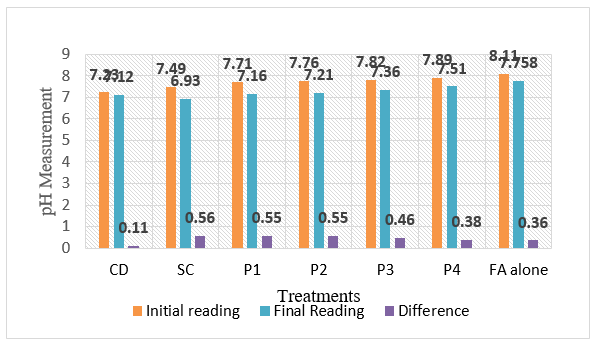
Figure 1. Measurement of pH values during different FA treatments.
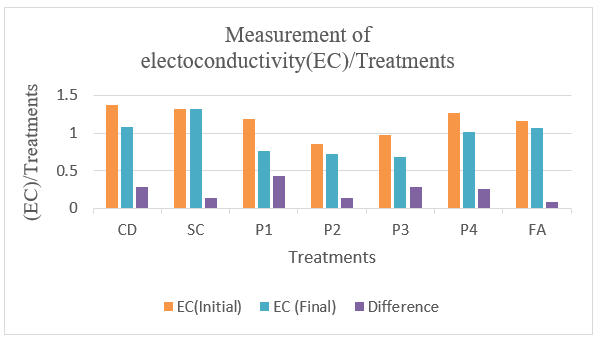
Figure 2. Measurement of electro-conductivity values during different FA treatments.
Effect of FA on the conversion of earthworm vermibed
The dynamic change in N, P and K availability was observed after the application of FA through vermicomposting for 75 days of processing. Significant changes in N content were observed for all treatments by comparison of the initial values with the final values. The high initial range of N content in cow dung (581.08 ± 1.82) was found to be converted to lower N (297.08 ± 1.8) which is more than moderately suitable for crop cultivation.
Utilization of vermicomposting for FA in different proportions mixed with CD and soil was found to increase the amount of mineralizable N in the substrate under the experiment. It indicated the significant gradual enhancement of N status in each treatment up to the intermediate stage. A rapid conversion was observed for 45 days after which it was found to be slightly reduced at the end of vermicomposting at 75 days’ duration, possibly due to slowing down of bioconversion activity of the earthworms. All the SAFA treatments were reported with an increase of N (p<0.001). In comparison to the control CD, the maximum enhancement of N was found in P2 that ranged from (125.3 ± 1.5) to (373.1 ± 1.5) while in the mid-stage, it was found to reach (463.3 ± 1) (Figure 3). Similar changes in N production was found in the following order P1>P3>S+CD, however, a low range of change was found in P4 and FA alone that maybe due to the less activation of worms for more concentration of FA.
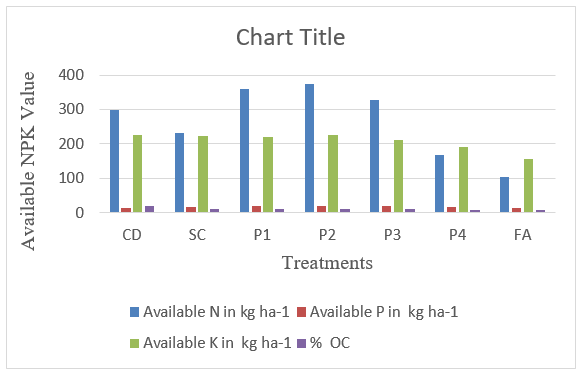
Figure 3. Observed NPK values during different FA treatments.
All the treatments at 0 days were found to be high in Phosphorus (P) (17.56 ± 1.6, 23.48 ± 1.4, 23.68 ± 1.4, 22.8 ± 1.3, 22.28 ± 1.3, 12.24 ± 1.3 and 6.62 ± 1.3 concerning each treatment CD, SC, P1, P2, P3, P4, FA) whereas CD was below to high range (17.56 ± 1.6). The changes were found to be significantly higher in FA treatments as compared to CD for the duration of incubation with the earthworms for 45 and 75 days, respectively. In P1 and P2, we observed a significant change in the amounts of P with an initial range (23.68 ± 1.4) and (22.8 ± 1.3) to a final range (19.48 ± 1.4) and (19.8 ± 1.3), respectively. The similar conversion for reduction of K was found at the end of the vermicomposting for all treatments compared with the initial values. The available K in P1, P2 and P3 was found to first increase at the 45-day stage with subsequent reduction at the 75-day stage. P2 reached maximum change followed by this order P1>P3>CD>S+CD in the case of both P and K values, respectively. P4 and FA alone were found to contain fewer amounts of N and K, however, the amount of P was slightly high which may be due to more insolubility concerning the high concentration of FA ratio.
The amount of percentage of Organic Carbon (OC) was gradually reduced in P1, P2 and P3 from the initial values (13.67 ± 0.3), (15.26 ± 0.2) and (13.74 ± 0.2) respectively to final values (11.75 ± 0.6), (12.3 ± 0.2) and (11.4 ± 0.4), respectively during incubation that maybe due to the combined action of other substrates along with FA. Similarly, in P4 and FA alone a slight decrease in OC amount was observed that can be attributed to the lower activity of the worms as well as microbes. The initial OC value of FA alone was (9.2 ± 0.6) reached (8.85 ± 1.2) and P4 changed from (9.27 ± 1.2) to (7.64 ± 0.3), respectively. The changes were estimated with the variation p<0.001 concerning all treatments.
Effect on growth population and biomass of earthworms
The earthworm Eudrilus eugeniae occupied and survived well at the concentrations of SAFA treatments P1, P2 and P3, respectively whereas an increase in FA concentration slowed down the rate of reproduction. As compared to the control, it was found that the abundance of earthworm population at the final stage was higher in P1, P2 and P3 concerning 10 worms during inoculation. The highest population (including all stages) was recorded in P2 (159 ± 1.7), followed by the order CD>P1>S+CD>P3. The population of P1 (138 ± 1.6) was approximately similar to S+CD (137 ± 2.8) and P3 (134 ± 2.3) (Table 4 and Figure 4) whereas P4 (86 ± 3.6) and FA alone (57 ± 2.7) recorded with less population. The number of various stages such as cocoons, juveniles, immature, mature and adults of worms were considered for measurement of population and rate of reproduction. The results indicated the variation in population concerning the concentration of FA.
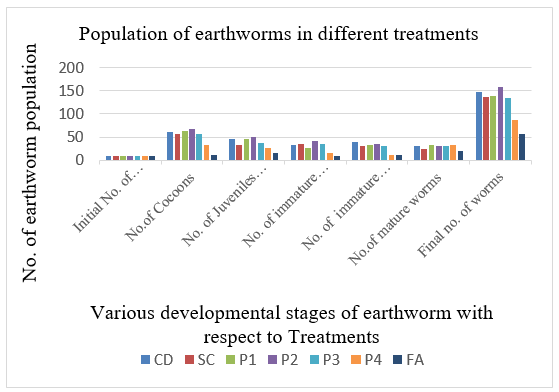
Figure 4. Dynamic population of earthworms in different treatments.
| Sl. no | Observations | Expt. set up | Initial no. of worms /weight (Adults/gms) | No. of juvenile worms | No. of immature worms (Non-cliteliated) | No. of immature (clitellated) | No. of mature worms | Final no. of worms | Rate of production | Final wt./worm(in gm) | Dry wt/worm (in gm) | Biomass |
| 1 | CD | Control | 10/21.22 | 45 ± 0.27 | 32 ± 0.04 | 39 ± 0.22 | 30 ± 0.14 | 148 ± 2.2 | 1.57 | 3.2 ± 1.8 | 1.7 ± 2.38 | 251.6 ± 3.6 |
| 2 | SC | S+CD(1:1) | 10/20.98 | 34 ± 0.22 | 36 ± 0.09 | 30 ± 0.23 | 25 ± 0.16 | 137 ± 2.8 | 1.36 | 2.8 ± 1.6 | 1.5 ± 2.4 | 205.5 ± 3.9 |
| 3 | P1 | VFA1 (4:1) | 10/21.56 | 46 ± 0.16 | 27 ± 0.08 | 32 ± 0.22 | 33 ± 0.15 | 138 ± 1.6 | 1.39 | 2.9 ± 1.7 | 1.7 ± 1.9 | 234.6 ± 4.1 |
| 4 | P2 | VFA2 (3:2) | 10/20.72 | 51 ± 0.21 | 42 ± 0.03 | 35 ± 0.17 | 31 ± 0.19 | 159 ± 1.7 | 1.64 | 3.4 ± 1.6 | 1.8 ± 1.93 | 286.2 ± 4.3 |
| 5 | P3 | VFA3 (2:3) | 10/20.26 | 38 ± 0.19 | 35 ± 0.0.2 | 30 ± 0.4 | 31 ± 0.11 | 134 ± 2.3 | 1.22 | 3.1 ± 1.2 | 1.65 ± 2.14 | 221.1 ± 3.8 |
| 6 | P4 | VFA4 (1:4) | 10/21.35 | 27 ± 0.17 | 15 ± 0.0.9 | 12 ± 0.2 | 32 ± 0.12 | 86 ± 3.6 | 0.84 | 1.8 ± 0.7 | 0.9 ± 1.6 | 77.4 ± 4.8 |
| 7 | FA | E-VFA (whole)(whole) | 10/20.66 | 16 ± 0.23 | 9 ± 0.03 | 11 ± 6.1 | 21 ± 0.13 | 57 ± 2.7 | 0.76 | 1.7 ± 0.63 | 0.63 ± 1.56 | 35.91 ± 3.9 |
| Note: All values are expressed as Mean ± SD | ||||||||||||
Table 4. Population of earthworm.
The growth of the worms was found to be significantly increased in SAFA treatments concerning the control. The inoculated worms individually weighed up (3 ± 0.3 to 3.5 ± 0.6) g in the final stage of FA treatment as compared to the control (2.0 ± 0.5 to 2.8 ± 0.9) g. Furthermore, the annuli and the length of the FA-treated worms were observed to be more than the control indicating a high reproduction rate concerning a favorable% of FA. The rate of reproduction was recorded maximum in P2 which may be due to the availability of all the suitable parameters like pH, EC, nutrition and proper incorporation of substrates. The other treatments followed the order CD>P1>S+CD>P3 (Table 5 and Figure 5). The biomass treatment is presented in Figure 4. The growth was significantly observed with 20% FA followed by an optimum with 40% FA and 60% FA. The One-way ANOVA was used to estimate the significant variation in the population abundance of earthworms concerning all treatments (p<0.001). It was found that the abundance of earthworms was favored due to the better survivability at various concentrations of FA. Rate of reproduction was found to be positive concerning different FA treatments.
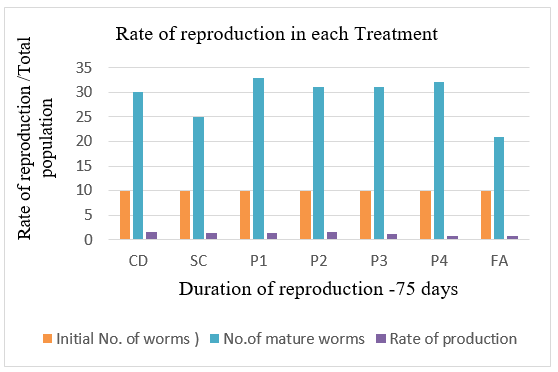
Figure 5. Rate of reproduction in different treatments.
| Sl. no. | Treatments | Expt. set up | Initial no. of worms | No. of juvenile worms | No. of mature worms | Rate of production | Final no. of worms |
| 1 | CD | Control | 10 ± 0.0 | 45 ± 0.27 | 30 ± 0.14 | 1.57 ± 0.31 | 148 ± 2.2 |
| 2 | SC | S+CD(1:1) | 10 ± 0.0 | 34 ± 0.22 | 25 ± 0.16 | 1.36 ± 0.34 | 137 ± 2.8 |
| 3 | P1 | VFA1 (4:1) | 10 ± 0.0 | 46 ± 0.16 | 33 ± 0.15 | 1.39 ± 0.32 | 138 ± 1.6 |
| 4 | P2 | VFA2 (3:2) | 10 ± 0.0 | 51 ± 0.21 | 31 ± 0.19 | 1.64 ± 0.34 | 159 ± 1.7 |
| 5 | P3 | VFA3 (2:3) | 10 ± 0.0 | 38 ± 0.19 | 31 ± 0.11 | 1.22 ± 0.26 | 134 ± 2.3 |
| 6 | P4 | VFA4 (1:4) | 10 ± 0.0 | 27 ± 0.17 | 32 ± 0.12 | 0.84 ± 0.54 | 86 ± 3.6 |
| 7 | FA | E-VFA-(whole) | 10 ± 0.0 | 16 ± 0.23 | 21 ± 0.13 | 0.76 ± 0.28 | 57 ± 2.7 |
| Note: All values are expressed as Mean ± SD | |||||||
Table 5. Rate of reproduction of earthworms.
Based on the results, the biomass of earthworms was found to be the highest in P2 (286.2 ± 4.3) concerning population (P2 159/286) among all the treatments. This was followed by CD (148/251), S+CD (137/235), P1 (138/234) and P3 (134/221), respectively. The least biomass was recorded in P4 and FA alone treatments (Table 6 and Figure 6). The ANOVA technique was used to estimate the significant variation in population abundance of earthworms concerning all treatments (p<0.001) (Table 7 and Figure 7).
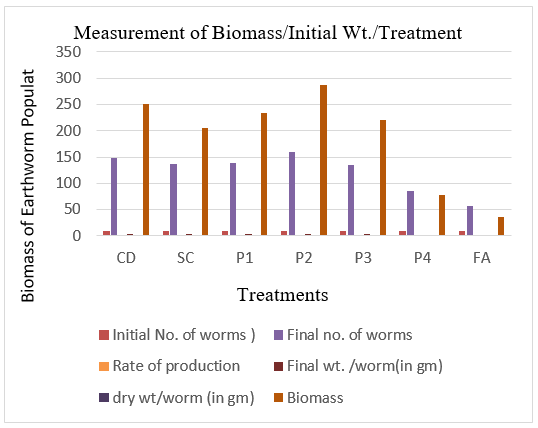
Figure 6. Estimation of biomass in different treatments.
| Sl. no. | Treatments | Expt. set up | Initial no. of worms | Initial no. of worms/weight (Adults/gms) | Final no. of worms | Dry wt/worm (in gm) | Biomass |
| 1 | CD | Control | 10 | 10/21.22 | 148 ± 2.2 | 1.7 ± 2.38 | 251.6 ± 3.6 |
| 2 | SC | S+CD (1:1) | 10 | 10/20.98 | 137 ± 2.8 | 1.5 ± 2.4 | 205.5 ± 3.9 |
| 3 | P1 | VFA1 (4:1) | 10 | 10/21.56 | 138 ± 1.6 | 1.7 ± 1.9 | 234.6 ± 4.1 |
| 4 | P2 | VFA2 (3:2) | 10 | 10/20.72 | 159 ± 1.7 | 1.8 ± 1.93 | 286.2 ± 4.3 |
| 5 | P3 | VFA3 (2:3) | 10 | 10/20.26 | 134 ± 2.3 | 1.65 ± 2.14 | 221.1 ± 3.8 |
| 6 | P4 | VFA4 (1:4) | 10 | 10/21.35 | 86 ± 3.6 | 0.9 ± 1.6 | 77.4 ± 4.8 |
| 7 | FA | E-VFA (whole) | 10 | 10/20.66 | 57 ± 2.8 | 0.63 ± 1.56 | 35.91 ± 3.9 |
| Note: All values are expressed as Mean ± SD | |||||||
Table 6. Biomass of earthworm.
| Source | SS | Df | MS | F | Prob>F |
| Columns | 3196.1 | 6 | 532.68 | 0.21 | 0.9693 |
| Error | 69729.7 | 28 | 2490.35 | ||
| Total | 72925.8 | 34 |
Table 7. ANOVA (Analysis of Variance) of earthworm population growth.
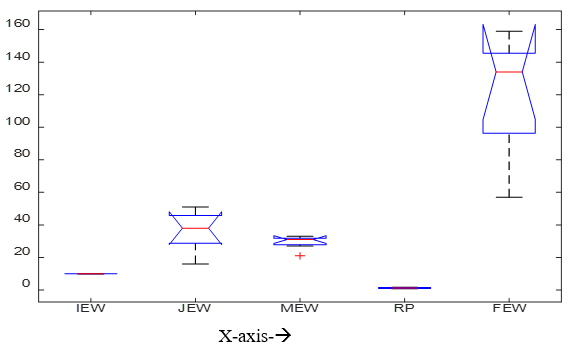
Figure 7. ANOVA plot indicating earthworm population growth concerning fly ash.
Effect of bioaccumulation in earthworm
The feeding wastage accumulated in the tissue of earthworms from SAFA after passing through the gut and assimilated during vermicomposting. Based on the result from XRF estimation, dried tissue of worms from various treatments of FA was accumulated with the elements composition of FA up to 10%-15% (Table 8 and Figure 8). The bioaccumulation in earthworms of P1 and P2 FA treatments was noticed significantly with increasing body weight. Interestingly, the weight gain was due to the deposition of heavy metals after assimilation. These specific earthworms survived despite the accumulation of metals which may later degrade by the action of specific worm enzymes. The variation of biomass from all treatments, p<0.001, indicates the elementary accumulation in tissues with respective concentrations of FA (Table 9 and Figure 9). The accumulation may add weight to the growth of worms about control.
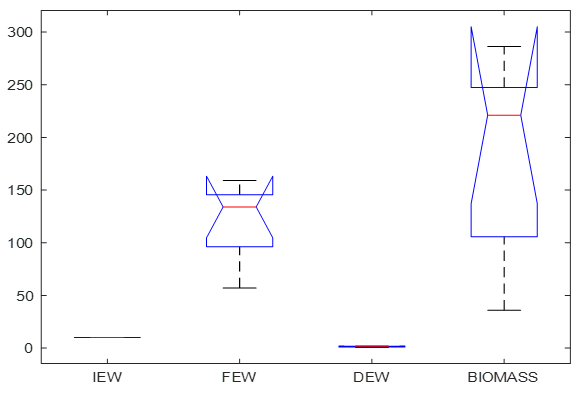
Figure 8. ANOVA plot indicating growth of earthworms versus biomass. (N.B-IEW: Initial No. of worms FEW: Final no. of worms DEW: Dry wt/worm (in gm) Biomass).
| Source | SS | Df | MS | F | Prob>F |
| Columns | 167118.8 | 3 | 55706.3 | 22.18 | 4.20636e-07 |
| Error | 60264.1 | 24 | 2511 | ||
| Total | 227382.9 | 27 |
Table 8. ANOVA (Analysis of Variance) of earthworm growth.
| Compound concentration in ppm of substrates estimated through XRF with Mean ± SD accumulated by EW tissue. | |||||||
| Sl. no. | Elements estimated through XRF | Control | FA | VFA1 accumulated by EW | VFA2 accumulated by EW | BAF of VFA1 | BAF of VFA2 |
| 1 | AlO2 | 2.874 ± 0.2 | 29.902 ± 1.5 | 6.213 ± 0.2 | 8.913 ± 0.21 | 0.20 ± 0.057 | 0.29 ± 0.07 |
| 2 | SiO2 | 22.376 ± 0.32 | 60.080 ± 1.32 | 35.206 ± 0.3 | 33.123 ± 0.43 | 0.55 ± 0.25 | 0.58 ± 0.021 |
| 3 | P2O5 | 14.646 ± 0.27 | 0.693 ± 1.42 | 11.696 ± 0.2 | 12.783 ± 0.28 | 0.77 ± 0.019 | 0.87 ± 0.029 |
| 5 | Cl | 4.426 ± 0.2 | 319.5 ± 1.54 | 4.123. ± 0.27 | 3.477 ± 0.21 | 0.012 ± 0.009 | 0.011 ± 0.008 |
| 6 | K2O | 14.195 ± 0.2 | 1.475 ± 1.41 | 11.754 ± 0.7 | 12.496 ± 0.2 | 0.79 ± 0.066 | 0.84 ± 0.067 |
| 7 | CaO | 7.21 ± 0.3 | 0.883 ± 1.32 | 0.769 ± 0.57 | 0.866 ± 0.33 | 0.86 ± 0.071 | 0.97 ± 0.039 |
| 9 | MnO | 0.340 ± 0.15 | 298.8 ± 1.62 | 0.269 ± 0.27 | 0.199 ± 0.24 | 0.00087 ± 0.002 | 0.00066 ± 0.003 |
| 10 | Fe2O3 | 6.237 ± 0.27 | 3.282 ± 1.7 | 3.496 ± 0.21 | 4.984 ± 0..2 | 0.81 ± 0.06 | 0.93 ± 0.04 |
| 11 | NiO | 156.0 ± 0.6 | 92.3 ± 1.51 | 109.2 ± 0.27 | 71.2 ± 0.31 | 0.96 ± 0.042 | 0.77 ± 0.031 |
| 12 | CuO | 330.9 ± 0.21 | 122.8 ± 1.52 | 108.3 ± 0.27 | 189.9 ± 0.26 | 0.88 ± 0.019 | 0.97 ± 0.063 |
| 13 | ZnO | 0.373 ± 0.17 | 117.2 ± 1.53 | 0.211 ± 0.22 | 0.149 ± 0.23 | 0.0018 ± 0.03 | 0.0012 ± 0.07 |
| 14 | PbO | 23.6 ± 0.21 | 85.8 ± 1.2 | 21.89 ± 0.21 | 20.2 ± 0.41 | 0.25 ± 0.04 | 0.28 ± 0.05 |
| Note: BAF: Bioaccumulation Factor. All values are expressed as Mean ± SD | |||||||
Table 9. Analysis of bioaccumulation with BAF in earthworm tissues.
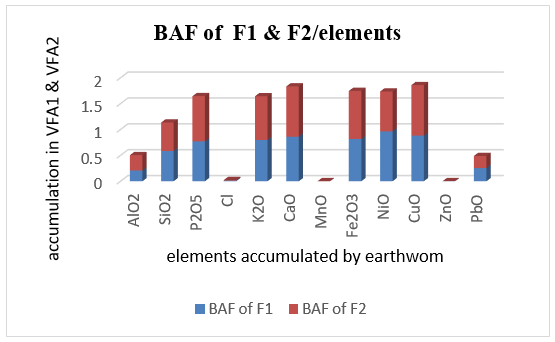
Figure 9. Graphical presentation of Bioaccumulation Factor (BAF) with Mean ± SD of various elements from the tissues of earthworms
Effect of population of earthworms on soil fertility
The dynamic availability of N, P and K in the treatments was enhanced and converted by the activity of earthworms in SAFA vermin. Releasing of casting at a higher rate concerning high accumulation was favored for favorable pH. The Pearson's correlation of pH with NPK was found to be positive for CD, S+CD, P1, P2 and P3 (p<0.003) and negative (-0.398) for P4 and FA alone due to slow conversion concerning less number of worms. The positive correlation was observed for various parameters concerning all treatments except P4 and FA alone, where the results were found to show a negative correlation. The abundance of population of earthworms indicated the increase in soil fertility rate in the respective treatments under study.
Effect of vermicomposted SAFA on plant growth
The harvested vermicompost manure from the containers of various SAFA proportions was tested with Oryza sativa to evidence the sustainability of plant growth in laboratory conditions. The collected vermicompost manure of all FA proportions was reamended (the meaning of this word is not clear) in the lateritic soil of the study area at a ratio of 1:3. The treated pots were labeled as T1-T7 for the respective manures that were obtained from CD, S+CD, VFA1, VFA2, VFA3, VFA4, E-VFA proportions. The results of all treatments were analyzed for different growth parameters of plants, such as length of root, shoot, leaf and rate of photosynthesis by chlorophyll estimation. The measurements were recorded one month from the day of germination to find evidence for the sustainability study of the plants concerning the different manures. The growth results were found in the order T4>T3>T2>T1>T5>T6>T7. The treatment T4 of manure VFA2 was found to be significantly superior compared to other treatments due to the presence of a suitable range of NPK values, increase in pH (from 6.5 ± 0.12 to 7.2 ± 0.22) presented in Table 8 (p<0.05). Besides T4, the growth in plants was also found to be efficient in T3 of VFA1 manure and comparable with the standard growth of the treatments T1 and T2 of Oryza sativa (Table 10 and Figure 10).
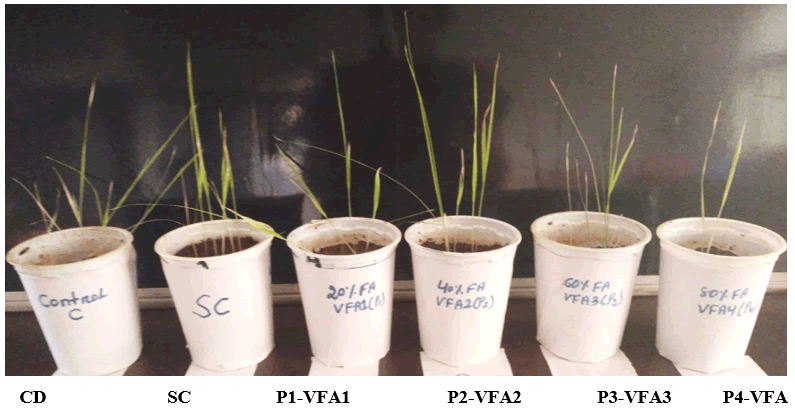
Figure 10. Growth of Oryza sativa in different proportions of vermicomposted fly ash.
| Sl. no. | Observations | C | C+SD | VFA1 | VFA2 | VFA3 | VFA4 | VFE |
| T1 | T2 | T3 | T4 | T5 | T6 | T7 | ||
| 1 | Root length (IR/FR) | 1.1 ± 0.03/5.6 ± 0.01 | 1.5 ± 0.05/7.4 ± 0.02 | 1.5 ± 0.02/7.9 ± 0.03 | 2.1 ± 0.005/8.2 ± 0.024 | 1.9 ± 0.06/7.8 ± 0.01 | 0.7 ± 0.07/5.8 ± 0.02 | 0.9 ± 0.08/5.1 ± 0.02 |
| 2 | Shoot length (IR/FR) | 3.7 ± 0.02/12.4 ± 0.04 | 4.60 ± 0.04/16.5 ± 0.03 | 4.8 ± 0.05/16.8 ± 0.02 | 5.9 ± 0.004/18.5 ± 0.024 | 5.0 ± 0.04/17.8 ± 0.01 | 3.8 ± 0.07/8 ± 0.02 | 2.7 ± 0.02/8.5 ± 0.03 |
| 3 | Leaf length (IR/FR) | 1.8 ± 0.04/8.8 ± 0.02 | 2.1 ± 0.04/10.6 ± 0.02 | 2.7 ± 0.03/12.3 ± 0.01 | 2.3 ± 0.006/13.7 ± 0.023 | 2.0 ± 0.04/11.2 ± 0.03 | 1.2 ± 0.08/4.6 ± 0.02 | 1.10 ± 0.09/4.8 ± 0.03 |
| 4 | Chlorophyll content (IR/FR) | 38.3 ± 1.32 | 32.8 ± 1.34 | 41.3 ± 1.21 | 42.3 ± 1.2 | 43.11 ± 2.4 | 30.2 ± 1.41 | 31.26 ± 1.33 |
| Note: IR: Initial reading during germination and FR-Final reading of measuring the sustainability of Oryza sativa | ||||||||
Table 10. Growth of Oryza sativa is monitored by various parameters concerning different proportions of vermicomposted manures.
Discussion
Utilizing Soil-Amended FA (SAFA) after using vermicomposting in agricultural land is feasible because it contains various useful macronutrients for plant growth. Productivity of soil amendment with thermal waste FA might be good agricultural practice for the achievement of SDGs (12,15,17). Fly ash's high nutrient content has opened the door to its use in agriculture, with enormous potential for enhancing crop yield and soil health. Aside from its nutritive efficiency, fly ash treatment produced considerable results in agricultural insect pest management. However, agricultural usage of fly ash is rather limited compared to other sectors. Fly ash is also a good replacement for reclaiming low-lying areas and restoring and protecting the top layer of soil. Thus, it is past time to investigate the untapped potential of fly ash utilization in Indian agriculture for long-term management, notably for timber, ornamental, jute and fiber crops, as well as other agriculture and food systems, following proper quality testing. However, the availability of low amounts of this nutrient is one of the major concerns for use in agriculture to enhance soil fertility. Due to the presence of oxides and alkalinity, FA is a suitable agent to react with water to generate applicable alkalinity. Applying the vermicomposting technique, the amendment of Fly Ash (FA) with red lateritic soil and organic matter significantly maintains pH, electro-conductivity, moisture and earthworm population for cultivation purposes as evidenced in laboratory conditions. In the initial stage, FA releases Ca, Mg, Na, Al and OH ions during vermicomposting and increases the soil pH, as explained by Wong and Wong and Sengupta et al. The increase in nitrogen content in the treatments of FA of P1, P2 and P3 of the present study was due to the high occurrence of N-fixing bacteria that contributed to efficient soil fertility agrees with the study of Chen et al., Excessive Al and Fe in FA convert soluble P into insoluble P by the action of phosphate-solubilized bacteria. Gradually increasing the P content in the treatments increases the pH which helps the acidic soil to reach neutrality. It was observed that the inoculation of earthworms resulted in the conversion of insoluble bound P components Al, Fe and Ca into soluble form, which later reduces the insolubility of P and increases the soil fertility.
It was also observed that in vermicomposting soil the amount of available K significantly increases due to the action of earthworms to release exchangeable K in the form of cations. In the present study, the treatment P2 (3:2) of FA+S+CD showed a more positive response in all aspects may be due to the proportion being able to maintain the pH and EC well. In addition, the other proportions S+CD, P1 and P3 also showed positive results concerning CD. Bioaccumulation analysis in earthworm tissues indicates bioremediation of heavy metals and contaminations in soil manure. In turn, the soil manure subsequently gets enhanced and deposited with the required elements to increase soil fertility for crop growth. Bioaccumulation is directly proportional to increased mass production of earthworm species for heavy metal degradation in vermin. The sustainable growth of Oryza sativa was observed in T4 (40% FA) followed by T3 (20% FA)>T2(S +CD)>T1(CD) in order of the range of NPK values that were obtained during vermicomposting. On the other hand, in the case of T5, T6 and T7 the growth of plants was observed in the initial stage but later slowly turned pale yellow and dried in the order T5 (60% FA)>T6 (80% FA)>T7 (100% FA) that may be due to the low occurrence of NPK and inadequate range of heavy metal hindrance for growth as well as reduced photosynthesis rate. From the current study, the plant growth of Oryza sativa indicated sustainability in the range of 20% to 40% with a possibility at 60% of vermicomposted FA along with standard growth in control.
In the present study, the pH did not show any significant difference among treatments, where the abundance of earthworms and biomass were more variable concerning the treatments. The correlation coefficients of P1, P2 and P3 were found to be positive to the abundance of earthworm population about N, K and OC, however, the coefficient values were found to be negative to pH and P, respectively. The increase in pH is significantly responsible for the decrease in population and biomass which in turn decreases the soil fertility rate.
Conclusion
The incorporation of FA with red lateritic soil (SAFA) and cow dung with inoculation of earthworms showed a sustainable influence on soil fertility. The amendment of FA with soil was possibly effected by releasing of Pb, Cr and Ni that gradually enhanced the activity of microbes to bind with P and later increase the solubility of N, P and K. It is clear that the effect of alkalinity of FA was due to the released P which in turn minimized the soil acidity and increased the microbial activity. In the present study, the P2 was shown with more applicable results which increase EC and maintain the alkalinity of pH which favoured for abundance growth of worms. However, pH did not show any significant difference among treatments, where the abundance and biomass were more comparable concerning treatment. Results from P1 and P3 also showed significant improvement in population which in turn enhanced the soil fertility. The rigorous activity of earthworms was that their intestine accumulated heavy metals and released an organo-metallic complex that improves soil fertility. The causes behind the accumulation of earthworms with the biocompatibility of FA are to be focused on in-depth research. The present outcome from the study of plant growth indicated the sustainability of crop production can be achieved up to 40% of FA used in vermicompost along with bioremediation of heavy metal.
Funding
No funding is provided for the preparation of the manuscript.
Conflict of Interest
Authors declare that they have no conflict of interest.
Ethical Approval
This article does not contain any studies with human participants or animals performed by any of the authors.
Consent to Participate
All the authors involved have agreed to participate in this submitted article.
Consent to Publish
All the authors involved in this manuscript give full consent for publication of this submitted article.
Authors Contributions
All authors have equal contributions in this work.
Data Availability Statement
Data sharing does not apply to this article.
References
- Bacha B, Sahoo S. Effect of different land use practices on earthworm abundance and soil properties. Int J Sci Res. 2018;9:1290-4.
- Bamdad H, Papari S, Lazarovits G, et al. Soil amendments for sustainable agriculture: Microbial organic fertilizers. Soil Use Manag. 2022;38(1):94-120.
- Bhattacharya SS, Iftikar W, Sahariah B, et al. Vermicomposting converts fly ash to enrich soil fertility and sustain crop growth in red and lateritic soils. Resour Conserv Recycl. 2012;65:100-6.
- Burachevskaya M, Minkina T, Bauer T, et al. (2023) Fabrication of biochar derived from different types of feedstocks as an efficient adsorbent for soil heavy metal removal. Sci Rep. 2023;13(1):2020.
[Crossref] [Google Scholar] [PubMed]
- Charan K, Bhattacharyya P, Bhattacharya SS. Vermitechnology transforms hazardous red mud into benign organic input for agriculture: Insights on earthworm-microbe interaction, metal removal, and soil-crop improvement. J Environ Manage. 2024;354:120320.
[Crossref] [Google Scholar] [PubMed]
- Chen J, Shen W, Xu H, et al. The composition of nitrogen-fixing microorganisms correlates with soil nitrogen content during reforestation: a comparison between legume and non-legume plantations. Front Microbiol. 2019;10:508.
[Crossref] [Google Scholar] [PubMed]
- Dhaliwal SS, Shukla AK, Behera SK, et al. Impact of fertilization and tillage practices on transformations of carbon, essential plant nutrients and microbial biota composition in soils: A review. Technol Agron. 2023;4(1).
- Khan MB, Cui X, Jilani G, et al. Preincubation and vermicomposting of divergent biosolids exhibit vice versa multielements stoichiometry and earthworm physiology. J Environ Manage. 2019;243:144-56.
[Crossref] [Google Scholar] [PubMed]
- Kotelnikova AD, Rogova OB, Karpukhina EA, et al. Assessment of the structure, composition, and agrochemical properties of fly ash and ash-and-slug waste from coal-fired power plants for their possible use as soil ameliorants. J Clean Prod. 2022;333:130088.