 44 7897 074717
Research Article - Journal of Gastroenterology and Digestive Diseases (2025) Volume 10, Issue 4
Epidemiological, diagnostic and evolutionary aspects of decompensated cirrhosis in patients hospitalized in an overseas hepato-gastroenterology department.
Marie Zogbo-Beavogui*, Nathaniel Edery, Estelle Urbanek, Marion Wallyn, Marie Sautereau, Zoe Labat, Marceline Alexis, Georgette Saint-Georges, Leonardo Amaral, Moana Gelu-Simeon
Department of Gastroenterology, University Hospital of Guadeloupe, Les Abymes, Guadeloupe
*Corresponding Author:
- Marie Zogbo-Beavogui Department of Gastroenterology, University Hospital of Guadeloupe, Les Abymes, Guadeloupe E-mail: mariebeavogui92@gmail.ocm
Received: 18-Oct-2024, Manuscript No. JGDD-24-150398; Editor assigned: 21-Oct-2024, JGDD-24-150398 (PQ); Reviewed: 05-Nov-2024, QC No. JGDD-24-150398; Revised: 03-Aug-2025, Manuscript No. JGDD-24-150398 (R); Published: 10-Aug-2025, DOI: 10.35841/jgdd-10.2.243
Citation: Beavogui MZ, Edery N, Urbanek E, et al. Epidemiological, diagnostic and evolutionary aspects of decompensated cirrhosis in patients hospitalized in an overseas hepato-gastroenterology department. J Gastroenterology Dig Dis. 2025;10(4):243
Abstract
Introduction: The lack of data on decompensated cirrhosis in our overseas departments has motivated the realization of this work, which aims to describe the epidemiological aspects, diagnosis and evolution of decompensated cirrhosis within a Hepato-Gastroenterology Department of CHU of Guadeloupe.
Materials and methods: This is a single-center retrospective study from 01/01/2020 to 12/31/2023. Data were collected from the Electronic Medical Record (EMR) and cases identified at from ICD-10 codes. We included all hospitalizations for acute decompensation on cirrhosis (ascites, digestive hemorrhage, hepatic encephalopathy, infection). Excluded were: Hospitalizations for paracentesis in the context of refractory ascites and hepatic complications acute on chronic non-cirrhotic liver disease.
Results: For 437 hospitalizations, we collected 157 patients. Among the 157 patients we collected data from 236 hospitalizations with acute decompensation due to readmission of patients with new cases. The mean age of patients (N=157) was 63 years (± 11.7 years) with a male predominance of 79.6% and a sex ratio of 4 men/women. Etiologies of cirrhosis were dominated by alcoholism (59.2%), the association alcohol+MASH (8.9%) followed by MASH (5.7%), Alcohol+HBV (4.5%) for 3.2% of patients, no cause was established.
Among the 236 hospitalizations, 91.1% had simple decompensation versus 8.9% (n=21) with Acute-on- Chronic Liver Failure (ACLF) criteria. The most common decompensation was ascites (76.1%), followed by digestive hemorrhage (15.9%) and hepatic encephalopathy (12.5%).
Decompensation factors were acute alcoholic hepatitis (31.7%), infection (26.6%), iatrogenic (9.5%) and therapeutic interruption (6.3%).Decompensated cirrhosis was aggravated by portal thrombosis in 26.2% of cases, hepatocellular carcinoma (25.4%), and hepatorenal syndrome (12.2%). The majority of patients without ACLF had a Child-Pugh score B (50.4%). The mean MELD score was 18.6 ± 8.6. Among the 157 patients we recorded 23% (n=36) of deaths, related to ACLF in 38.8% of cases and to simple decompensation in 61.2% in connection with a metastatic hepatocellular carcinoma (27.8%), bacterial infection (16.7%), hemorrhage digestive (11.1%) or hepatic encephalopathy (5.6%).
Conclusion: Decompensated cirrhosis occurs mainly in the context of alcoholic disease of the liver. Its prognosis remains poor in our departments and justifies the implementation of a strategy prevention and management of alcoholic liver disease.
Keywords
Decompensated cirrhosis, Acute Decompensation (AD), Electronic Medical Record (EMR), Acute-on-Chronic Liver Failure (ACLF).
Introduction
Cirrhosis is a diffuse process characterized by an alteration of the liver architecture associating hepatic fibrosis and formation of regeneration nodules [1]. It is a condition which is often symptomatic for the first few years. This is why it is mainly diagnosed at the stage of complications. For decades, we have understood that the natural history of cirrhosis is marked by a prognostic turning point, represented by the development of complications related to portal hypertension and hepatocellular insufficiency. It is said to be decompensated when it presents as form of ascites, gastrointestinal bleeding, hepatic encephalopathy, and/or of a bacterial infection [2,3]. In 2013, the CANONIC study identified the syndrome Acute-on- Chronic Liver Failure (ACLF), the most severe phenotype of Acute Decompensation (AD) in 20% of 1,343 patients with an episode of acute decompensation. ACLF is a syndrome characterized by acute decompensation acute cirrhosis associating one or more organ failures (liver, kidney, brain, coagulation, circulation and/or respiration) and extremely low survival with a 28-day mortality rate of 30 to 40% [4].
Thus cirrhosis is a public health problem worldwide because of its cause increasing morbidity and mortality. This results in 1 million deaths per year worldwide in 2014 according to the team of Byass P et al. in the global burden of liver disease [5]. WHO reports that cirrhosis accounts for 170,000 deaths per year in Europe in 2012 [6]? Based on preliminary data from the United States in 2011 showed that the mortality rate was 740.6 deaths per 100,000 inhabitants per year, among the 6 main causes of death, the cirrhosis was the 4th leading cause of death [7].
Several causes of cirrhosis are reported in the literature. These include: Excessive alcohol consumption, chronic viral infections with hepatitis viral B and C, Metabolic Disease Associated with Hepatic Steatosis (MASH), autoimmune hepatitis, hemochromatosis. The main causes in countries developed are excessive alcohol consumption and MASH [6,8]. On the other hand, in developing countries, chronic viral hepatitis C and B occupy the first rank. Indeed, Africa is considered with South Asia as a zone of high endemicity where the prevalence of chronic hepatitis B virus infection is of at least 8% [1,9].
The lack of data on decompensated cirrhosis in overseas departments, motivated the carrying out of this work, aiming to take stock of the situation within the service of Gastroenterology at the University Hospital of Guadeloupe.
The main objective is to determine the different etiologies of cirrhosis in patients hospitalized in the hepato-gastroenterology department of the CHU of Guadeloupe. The secondary objectives consisted of describing the factors of decompensations as well as the evolution and prognosis of decompensated cirrhosis.
Materials and Methods
This is a retrospective, single-center study from January 1, 2020 to December 31, 2020. 2023. The data were collected from the Electronic Medical Record (EMR) of patients hospitalized in the hepato-gastroenterology department of the CHU de Guadeloupe and cases identified from ICD-10 codes: K746 (cirrhosis without accuracy), K703 (alcoholic cirrhosis), R18 (ascites secondary to hepatic cirrhosis), R17.0 (jaundice), G934 (hepatic encephalopathy), K767 (hepatorenal syndrome), C220 (hepatocellular carcinomatosis), I81 (portal thrombosis) and I9820 (varicose vein rupture) esophageal).
We included all episodes of hospitalization for acute decompensation of cirrhosis (ascites, gastrointestinal bleeding, hepatic encephalopathy, bacterial infection or any combination of these). Hospitalizations for paracentesis in the context of cirrhosis complicated by refractory ascites and the acute hepatic complications in chronic non-cirrhotic liver disease.
The diagnosis of cirrhosis was based on the results of a previous liver biopsy or on a set of clinical signs and results provided by laboratories biology, and imaging.
We collected the following data:
Clinical data were retrieved from medical records available on the computerized patient record (DPI) easily: Personal information (age, gender), personal and family history, data relating to cirrhosis (known cirrhosis, etiology of cirrhosis, history of cirrhosis complication), the parameters clinical (alteration of general condition, ascites, collateral venous circulation, edema) in the lower limbs, hepatomegaly, etc.).
Biological data were available on the computerized results platform biological Tdweb/ disturbance of the liver balance (total and conjugated bilirubin, GGT, PAL, ASAT and ALAT), alpha feto protein, coagulopathy assessment (TP, FV, INR), renal assessment (uremia, creatinine, GFR, urinary ionogram), serologies viral, complete blood count, anemia assessment, nutritional assessment, infectious assessment, blood gasometry, ammonia).
Abdominopelvic ultrasound, CT and MRI data were collected on DIAM 4 and STIM software.
The results of fibroscopy and colonoscopy in cases of digestive hemorrhage were collected on the Easily computerized patient file.
Definitions of the variables collected
Acute decompensated cirrhosis is defined by the recent development of ascites, hepatic encephalopathy, gastrointestinal bleeding, and/or bacterial infection or any combination of these.
The types of decompensation were: Ascites defined by a fluid collection intraperitoneal visualized on clinical examination and/or imaging; Digestive Hemorrhage (DH) defined by an exteriorization of blood either by hematemesis, either by melena or by rectal bleeding and/or proven by endoscopy; Hepatic Encephalopathy (HE) clinically defined according to the WEST classification HAVEN by asterixis (I), confusion (II), somnolence (III) and coma (IV), in a patient having previous normal consciousness without any signs of neurological disease, improved under lactulose with or without positive ammonia; Acute-on-Chronic Liver Failure (ACLF) defined as acute liver failure over chronic characterized by Acute Decompensation (AD) of cirrhosis and one or multiple organ failures (liver, kidney, brain, coagulation, circulation and/or breathing) associated with 28-day mortality. The CLIFC consortium score-ACLF was used to define the diagnosis of ACLF. The Child-Pugh score and MELD have been used to predict patient severity and prognosis.
The decompensating factors were: Bacterial infection defined by any type of infection of pulmonary, digestive and urinary origin; therapeutic interruption (of patients who have a break in follow-up or a stoppage in taking their treatment); Hepatitis Acute Alcoholic (HAA) defined by the recent excessive alcohol intake in an alcoholic patient in the last 3 months, associated with biology and imaging; iatrogenesis defined by the imputability of a treatment in the decompensation, Nosocomial infections are defined as secondary to multiple hospitalizations or a prolonged period of hospitalization.
The etiologies of cirrhosis were: Alcohol defined by excessive consumption of more than 2 glasses per day for women and 3 glasses for men; Metabolic Dysfunction Associated Steatohepatitis (MASH): Histologically proven or defined by the existence of a history of type 2 diabetes, or dyslipidemia, in obese subjects with a BMI (Body Mass Index) >30; Hepatitis B Virus (HBV) defined by HBsAg positivity; Hepatitis C Virus (HCV) defined by HCV PCR positivity; Autoimmune hepatitis defined by positivity of autoantibodies (anti-Nuclear Antibodies (ANA), Anti-Smooth Muscle Antibodies (AML), Anti-Liver-Kidney Mitochondrial Antibodies Type 1 (LKM1), anti-cytosol antibodies type 1 (LC1), anti-Soluble Liver Antigen (anti-SLA) antibodies, bilharzia and hemochromatosis.
The complications sought were
Proven Hepatocellular Carcinoma (HCC) imaging either liver ultrasound, abdominal CT scan or MRI hepatic; hepatorenal syndrome defined according to the international ascites club by presence of serum creatinine >133 μmol/l, in a patient without recent nephrotoxic treatment, no proteinuria, no gastro fluid loss intestinal with normal renal ultrasound not responding to filling vascular by albumin and stopping diuretics treated with vasopressin (TERLIPRESSIN); portal thrombosis proven by imaging or ultrasound liver, either abdominal CT scan or liver MRI.
Statistical analysis of data
Data was entered into Microsoft Excel 2010 and exported to EPI-INFO software version 7 for analysis. The results are presented in the form of numbers and percentages for qualitative variables and mean and standard deviation for quantitative variables.
Results
For 437 hospitalizations, we collected 157 patients from which we have listed the data 236 hospitalizations affected by acute decompensation due to readmission of patients with new cases. We excluded 50 hospitalizations for ascites of non-hepatic tumor origin and 151 hospitalizations for a paracentesis (Figure 1).
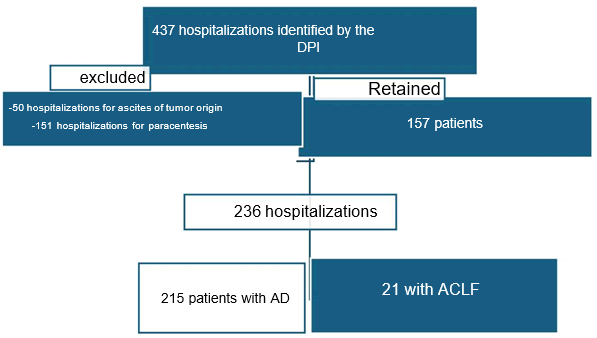
Figure 1. Patient recruitment from data provided by the DIM.
The mean age of our patients was 63 years and a standard deviation of ± 11.7 with a male predominance of 79.6% and a sex ratio of 4 men/1 women etiologies of cirrhosis were dominated by alcoholism (59.2%), the association alcohol +MASH (8.9%) MASH (5.7%), Alcohol+HBV (4.5% for 3.2% of patients, no cause was established (Table 1).
| Categories | Name (%) | Mean ± SD |
| Average age sex | ||
| Man | 125 (79,6%) | 63 years ± 11.7 |
| Women | 32 (20,4%) | |
| Etiology of cirrhosis | ||
| Alcohol | 93 (59,2%) | |
| MASH | 9 (5,7%) | |
| HBV | 6 (3,8%) | |
| HCV | 2 (1,3%) | |
| Bilharzia | 5 (3,2%) | |
| Auto immune | 2 (1,3%) | |
| Alcohol+MASH | 14 (8,9%) | |
| Alcohol+HBV | 7 (4,5%) | |
| Alcohol+HCV | 2 (1,3%) | |
| Other | 11 (7%) | |
| Unknown | 5 (3,2%) | |
| Total | 157 | |
Table 1. Characteristics of patients (N=157).
Among 236 hospitalizations, 215 (91.5%) had presented simple decompensation and 8.9 (n=21) with Acute-on-Chronic Liver Failure (ACLF) criterion.
Among the 215 hospitalizations presenting simple decompensation 88 (40.9%) had only one decompensation, 96 (44.7%) had two (2) decompensations associated (ascites+HD or ascites+EH), 31 (13.1%) had 3 associated decompensations.
Among the 88 hospitalizations with a single decompensation, 67 (76.1%) had ascites, 14 (15.9%) had gastrointestinal bleeding and 11 (12.5%) had encephalopathy liver. Among the 96 hospitalizations with two decompensations 36 (37.5%) had ascites combined with digestive hemorrhage and 60 (62.5%) had ascites combined with hepatic encephalopathy (Table 2).
| Categories | Name | Percentage (%) |
| Type of compensation | ||
| Without ACLF | 215 | 91,1% |
| With ACLF | 21 | 8,9% |
| Isolated decompensation without ACLF | ||
| Ascite | 63 | 71,6% |
| HD | 14 | 15,9% |
| EH | 11 | 12,5% |
| Two decompensation without ACLF | ||
| Ascite+HD | 36 | 37,5% |
| Ascite+EH | 60 | 62,5% |
| Three decompensations without ACLF | ||
| Ascite+HD+EH | 31 | 13,1% |
Table 2. Characteristic according to the number of acute decompensation.
The 157 patients included were hospitalized 236 times during the study period. Taking into account the number of hospitalizations per patient, 109 patients were hospitalized once, 32 patients hospitalized twice, 9 patients hospitalized three times, 4 patients hospitalized four times, 2 patients hospitalized 5 times and only one of They were admitted 6 times.
Factors contributing to the decompensation were multiple, including mainly: acute alcoholic hepatitis (31.7%), bacterial infections (26.6%), there was a small proportion of other triggering events, such as iatrogenesis (9.5%) and therapeutic disruption (6.3%). On the other hand, 25% of patients had no identified triggering event.
Decompensated cirrhosis was aggravated by portal thrombosis in 26.2% of patients, hepatocellular carcinoma in 25.4%, and hepatorenal syndrome in 12.2% of patients. The Child-Pugh score in patients with simple decompensation was classified as B in 50.4% and C in 47% of patients. Nevertheless, we found 2.5% of patients with a Child A score came for decompensation acute cirrhotic. The mean MELD score was 18.6 ± 8.6 (SD). The duration Mean hospital stay was 11 days ± 9 (SD).
Discussion
The mean age of our patients was 63 years ± 11.7 (SD) with a predominance male of 79.6%. Similar results have been observed in several studies (4) Notably in a study carried out by Vicente et al. in 2015, the age average was 58 years with a standard deviation ± 12.3 associating a predominance male at 63.3%. In a recently published analysis (April 2024), by Tonon et al. in Italy, out of 154 patients in the study population, 85 (55.2%) affected with acute decompensation of cirrhosis had a mean age of 56 years with a standard deviation ± 12.5 and a male predominance of 66.3%. Similarly, in the United States in the recent study by Goble Spencer R et al. in 2024 was found an average age of 58 years with a male predominance of 62%. This result was much higher than those reported in most African studies where the average age is 47 years with extremes between 45 years and 52 years associated with a male predominance of 61%. This difference from studies African is due on the one hand to a relatively young population, which has an early acquisition of risk factors for cirrhosis (viral infection) and other share a relatively low life expectancy due to poor living conditions socio-economic conditions characterized by a lack of adequate health coverage and a delay in diagnosis. It is noted in the literature that age and male gender are factors independently associated with fibrosis, beyond behaviors more marked risks such as alcoholism or chronic smoking, which confirms the different results observed in the studies.
The main causes were chronic alcoholism followed by the combination of alcohol and Metabolic Disease Associated with Hepatic Steatosis (MASH). The present study joins other French data reporting the high frequency of cirrhosis alcoholics and MASH. Blachier et al. showed the associated causes of cirrhosis were alcohol and MASH (66%), MASH only (13%). Tonon et al. (n=85 cirrhotic patients with acute decompensation) found that chronic alcoholism, MASH and hepatitis B were the causes in 30.2% (n=26); 24.4% (n=21) and 10.5% (n=9). These results suggest that alcohol and MASH are two causal factors that may maintain levels of cirrhosis relatively high in developed countries. Compared to African data which reveal that chronic viral hepatitis B and C are the most common etiologies frequent cirrhosis in Africa, a finding made by Itoudi et al. who reported hepatitis C in 34.1% (n=57), hepatitis B in 31.7% (n=53) and alcoholism chronic in 30.5% (n=51). (1.15) This is due to the fact that the hepatitis B and C virus is widely distributed in sub-Saharan and tropical Africa, despite a prevention strategy through vaccinations against HBV and HCV.
The 157 patients included during the study period were subject to collection of the data 236 hospitalizations affected by acute decompensation, due to a readmission of patients with new cases. Among the 236 hospitalizations, the majority had presented a simple decompensation compared to those hospitalized for ACLF criterion. Our result was lower than those reported by Moreau et al. who reported in their study on 1343 patients admitted for decompensation acute 77.4% (n=1040) had no ACLF and 22.5% (n=303) had ACLF at time of inclusion. Similarly, in the Ningbo cohort in China, which included all patients with acute decompensation of cirrhosis between 2009 and 2014, of 1454 patients in the cohort, 85.6% (n=1245) did not have ACLF at inclusion and 209 (14.3%) had ACLF. (1.17) Factors contributing to the difference in the rate incidence of ACLF in our study is due to the small number of patients included, and most often most patients with ACLF are more seriously ill and are admitted directly to the resuscitation or intensive care units. But also by the lack of knowledge of this pathology which can lead to confusion at a simple acute decompensation especially in stages 1 and 2. Thus it is necessary from patient admission, to use the CLIF-C AD score for patients with simple acute decompensation and the CLIFC- ACLF score to identify the patients with ACLF criteria, for better intensive care in order to reduce mortality. This score has been validated by the European Association for the Study of the Liver (EASL)-Chronic Liver Failure (CLIF) Consortium.
The most common decompensation was ascites. This finding is observed in several studies, for example that of Vicente Arroyo et al., Tonon et al., and Itoudi et al. who reported on their results an ascites in 61.4%, 34.4%, and 52.2%respectively. The high frequency of ascites in the results is of the same order as that described in the literature. This is an important marker of progression to the decompensated phase of cirrhosis and is associated with poor quality of life. In a retrospective cohort study performed on decompensated cirrhosis the authors showed on their results that the 2-year mortality risk is higher in patients with ascites in 30% of cases, digestive hemorrhage (20%) and even higher in the case of a combination of two or several decompensating events (88%).
Acute alcoholic hepatitis and bacterial infections were the main decompensation factors of cirrhosis in our study. The study of Vicente et al. has shown that the most common triggering events were infections 25.2% and acute alcoholic hepatitis 19.9% The same is true of that of Itoudi et al. who found bacterial infection and non-compliance with abstinence alcohol (22.1%) were important factors of decompensation in patients with decompensated cirrhosis. Bacterial infections and acute hepatitis alcoholic have a very pejorative meaning, they are markers of seriousness which contribute to the deterioration of decompensated cirrhosis, and therefore their prevention is a major challenge in the management of cirrhotic patients.
Cirrhosis was aggravated by portal thrombosis, hepatocellular carcinoma, and hepatorenal syndrome. The majority of patients without ACLF had a Child-Pugh B and a mean MELD of 18.6 ± 8.6. Although the evolution is favorable in the majority of patients, we recorded 23% deaths. The circumstances of death were linked to ACLF, metastatic hepatocellular carcinoma followed by infection. The observed mortality rate could be due to the fact that most of the
Patients with decompensated cirrhosis are diagnosed at an advanced stage of the disease where the management of complications becomes very difficult leading to deaths. Our results are different from that reported by Itoudi et al. who had found a mortality rate of 19.8%, the causes of death were due to hepatic encephalopathy, hepatocellular carcinoma and syndrome hepatorenal in 36.4%, 33.3% and 21.2%respectively. The mortality rate observed in our study was much lower than that found by Tonon et al. who was 48.2%.
Conclusion
Decompensated cirrhosis is a pathology of men over 50 years old, it occurs usually present in the form of ascites. It occurs mainly in a context of alcoholic liver disease. Its prognosis remains poor in our departments and justifies the implementation of a prevention and management strategy burden of alcoholic liver disease.
At the end of this study it would be interesting to carry out a prospective study observational in order to better differentiate between chronic, acute and ACLF in patients with decompensated cirrhosis within the department of hepatogastroenterology at the University Hospital of Guadeloupe.
Limitations
Our study was limited by its retrospective nature and the absence of data in most patients' medical records which constitutes an impact on the quality of the data collected.
Declaration
The declaration of the study to the ethics committee of the University Hospital of Guadeloupe, the response of which is in progress.
References
- Valainathan SR, Xie Q, Arroyo V, et al. Prognosis algorithms for acute decompensation of cirrhosis and ACLF. Liver Int. 2025;45:e15927.
[Crossref] [Google Scholar] [PubMed]
- D’Amico G, Bernardi M, Angeli P. Towards a new definition of decompensated cirrhosis. J Hepatol. 2022;76:202-7.
[Crossref] [Google Scholar] [PubMed]
- Blachier M, Leleu H, Peck-Radosavljevic M, et al. The burden of liver disease in Europe: A review of available epidemiological data. J Hepatol. 2013;58(3):593-608.
[Crossref] [Google Scholar] [PubMed]
- Hoyert DL, Xu J. Deaths: Preliminary data for 2011. Natl Vital Stat Rep. 2012;61(6):1-51.
[Google Scholar] [PubMed]
- Terrault NA, Pageaux GP. A changing landscape of liver transplantation: King HCV is dethroned, ALD and NAFLD take over!. J Hepatol. 2018;69(4):767-8.
[Crossref] [Google Scholar] [PubMed]
- Arroyo V. Hepatorenal syndrome–how to assess response to treatment and non-pharmacological therapy. Aliment Pharmacol Ther. 2004;20:49-54.
[Crossref] [Google Scholar] [PubMed]
- Scaglione S, Kliethermes S, Cao G, et al. The epidemiology of cirrhosis in the United States: A population-based study. J Clin Gastroenterol. 2015;49(8):690-6.
[Crossref] [Google Scholar] [PubMed]
- Perdikis KC, Goossens N, Carballo S. Bacterial infections in the context of chronic liver disease. Rev Med Suisse. 2020;16(711):1965-9.
- Shi Y, Shu Z, Sun W, et al. Risk stratification of decompensated cirrhosis patients by chronic liver failure consortium scores: classification and regression tree analysis. Hepatol Res. 2017;47(4):328-37.
[Crossref] [Google Scholar] [PubMed]